Living in Manhattan means embracing a city of history, from the pre-war co-ops of the Upper West Side to the classic brownstones of Harlem and Brooklyn. While these buildings offer unparalleled charm, their age often means they rely on plumbing systems that were installed long before modern safety standards existed.
For parents in NYC, “water safety” is a common topic of conversation, yet it is often misunderstood. If you’re concerned about the water your children are drinking, here is your straightforward, Manhattan-focused guide to checking your water for lead.
1. Understanding the Context: Why Manhattan Homes?
New York City’s water supply itself is high quality and virtually lead-free when it leaves the city’s upstate reservoirs. The risk of lead exposure arises almost exclusively from the “last mile”—the service lines connecting your building to the street and the internal plumbing inside your walls.
If your building was constructed before 1986, it is statistically more likely to have lead solder or components in the plumbing. Because lead is invisible, tasteless, and odorless, you cannot rely on your senses to judge your water safety.
2. The First Step: Request a Free NYC Test Kit
The simplest, most immediate step you can take is to utilize the city’s resources. The New York City Department of Environmental Protection (DEP) offers a Free Residential Lead Testing Program.
- How to get one: You can request a kit by calling 311 or filling out the online request form on the NYC.gov website.
- What it does: They will mail you a kit with precise instructions on how to collect a “first-draw” sample.
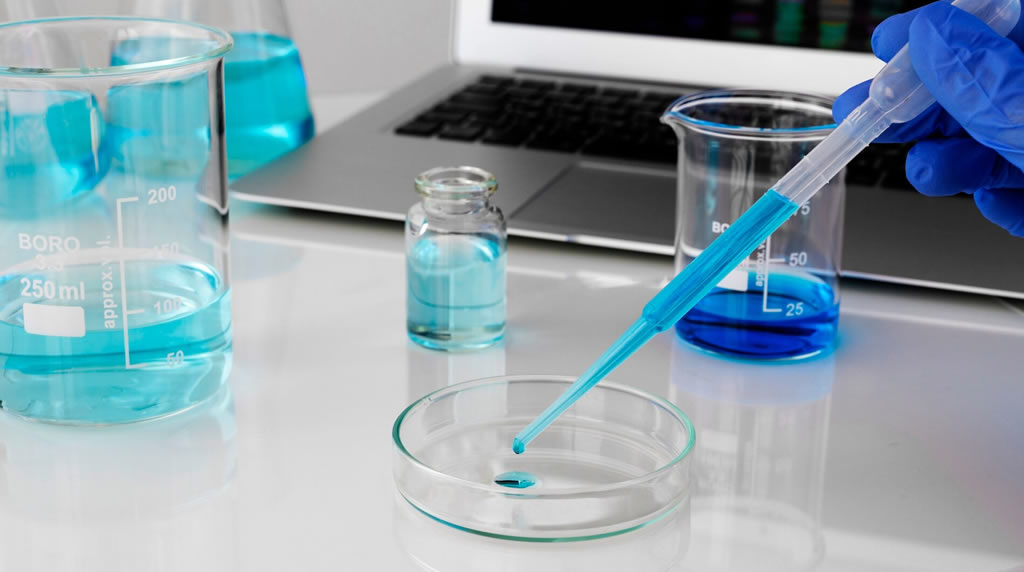
- The “First-Draw” Importance: This is crucial. To get an accurate reading, you must collect water that has been sitting in your pipes for at least six hours (usually overnight). This ensures the sample captures the maximum potential lead leaching that could occur while water sits stagnant in your internal plumbing.
3. When to Consider Professional Testing
While the city-provided kits are an excellent starting point, many parents—especially those planning renovations, purchasing a new home, or living in buildings with known aging infrastructure—opt for professional lead testing.
Why hire a professional instead of using the free city kit?
- Precision: Professional labs use advanced equipment capable of detecting trace amounts of lead that might fall below the detection threshold of basic home kits.
- Comprehensive Assessment: A professional can often inspect your plumbing layout and provide expert guidance on which fixtures are the most likely sources of lead.
- Actionable Reports: If you are dealing with a building management issue or a real estate transaction, a certified report from a professional lab carries more weight than a DIY test.
If you are looking to understand your specific building’s risk factors better, we offer resources specifically tailored to those navigating lead in NYC homes.
4. Immediate Habits to Reduce Risk
You don’t have to wait for test results to start protecting your children. If you suspect your plumbing is older, implement these “best practices” today:
- Always use cold water for drinking and cooking: Hot water is more corrosive and dissolves lead from pipes much faster than cold water. Never use hot tap water for mixing baby formula or for cooking pasta.
- Flush the taps: If the water has been sitting for several hours, run the cold water for 30–60 seconds before using it. This flushes out the water that has been in contact with your pipes, replacing it with fresh water from the main line.
- Clean your aerators: The little mesh screen at the end of your faucet (the aerator) often catches small particles of lead or sediment. Unscrewing it and rinsing it out every few months is a simple, effective way to reduce potential particulate intake.
- Use an NSF-certified filter: If you decide to use a water filter, ensure it is specifically certified under NSF/ANSI Standard 53 for lead removal. Note that many standard refrigerator filters do not meet this specific safety standard.
5. Demystifying the Results
When your test results arrive, they will likely be measured in parts per billion (ppb).
- 0–5 ppb: This is generally considered a low-risk result, though continued monitoring is always wise in an older home.
- Above 15 ppb: This is the EPA’s “action level.” If your results hit or exceed this number, you should stop drinking the water immediately, switch to a certified filter, and consult with a professional regarding potential plumbing interventions.
Empowerment Over Anxiety
Navigating environmental health in a city as large as New York can feel daunting, but you are not alone in this process. Tens of thousands of Manhattan parents manage this issue successfully every year. By relying on data—either through the city’s program or professional water quality testing—you remove the guesswork and replace it with a solid plan for your family’s well-being.
If you find yourself with questions about your test results or are feeling uncertain about your home’s plumbing, feel free to contact our team. We are here to help you get the facts you need to keep your home a safe and healthy environment for your children.