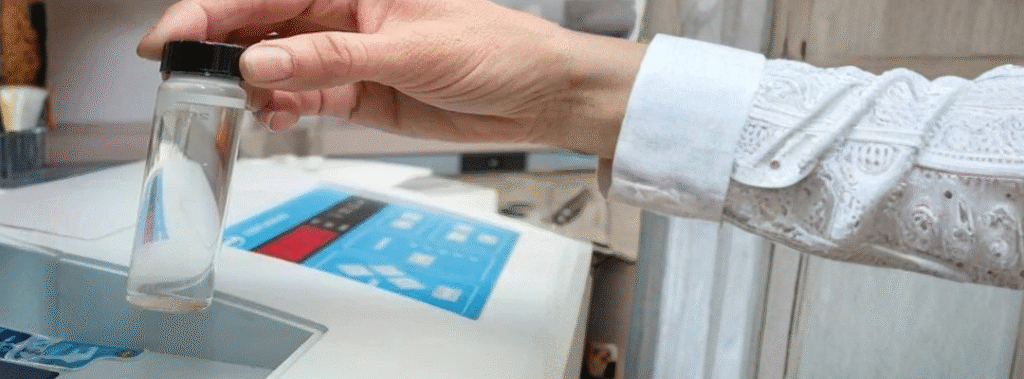
When you turn on your tap, the water that emerges is the result of a massive, coordinated effort involving complex chemical treatment, rigorous filtration, and thousands of miles of infrastructure. Municipal water systems are held to stringent national safety standards, designed to ensure that the water leaving the treatment plant is clean, potable, and safe for human consumption.
However, a common question arises: if municipal systems are so heavily regulated, why is lead still a concern for many households? The answer lies in a critical distinction between the water leaving the treatment plant and the water entering your home. Understanding this gap is essential for every homeowner, as it explains why municipal oversight must be paired with private vigilance.
The Role of Water Treatment
Municipal water systems do not just pipe water from a reservoir to your house; they actively treat it to ensure stability. One of the most important ways they address lead is through corrosion control.
When water is naturally corrosive (often due to low pH or soft mineral content), it can dissolve the metals it contacts. If that water were allowed to travel through old city mains and private plumbing in its natural state, it would leach significant amounts of lead from any pipe it touched. To prevent this, water utilities add corrosion inhibitors—such as orthophosphates—to the water supply. These chemicals create a thin, protective coating inside the pipes, acting as a barrier that prevents the water from interacting directly with the metal surfaces.
This treatment is highly effective at the municipal level, but it is not a perfect solution for the “last mile” of your home’s private plumbing.
The “Last Mile” Challenge
The primary challenge for municipal systems is that they have no control over the materials inside your property lines. Even if a city successfully manages its own infrastructure by replacing old water mains, the private service line that connects your home to that main—as well as the solder and fixtures inside your walls—remains the responsibility of the homeowner.
This is why it is vital for residents to understand where lead comes from in a residential setting. If your home has a lead service line or lead-based solder, even perfectly treated municipal water can become contaminated as it sits in your internal plumbing. For families in historic urban centers, this is a particularly nuanced issue. Many residents managing lead-in-nyc-homes must balance the city’s large-scale efforts to upgrade public infrastructure with the reality that their own building’s plumbing may still contain legacy materials.
Why Municipal Reports Don’t Tell the Whole Story
Public water utilities provide annual Consumer Confidence Reports (CCR), which are essential documents. They provide transparency into what is in your water supply as it leaves the treatment plant or the public distribution system. However, these reports are not site-specific to your individual kitchen tap.
Municipal monitoring typically involves testing a selection of homes that are known to have older plumbing. This gives the utility a snapshot of the risk level in their service area, but it does not tell you the status of your specific service line. You cannot rely on a municipal report as a substitute for knowing the condition of your home’s own pipes. This is why professional lead testing—conducted at your own point of use—is the only way to get a data-backed answer about your home’s water quality.
How You Can Work With Your Municipal System
While you are responsible for the plumbing on your side of the property line, you can be an active partner in your own health. Here is how you can manage your relationship with your local utility:
1. Request Your Service Line Inventory
Most utilities are currently in the process of mapping out lead service lines across their entire territory. You can often contact your local water department and ask if they have identified your home’s service line material. Knowing if you have a lead service line is the most important piece of information you can have regarding your plumbing risk.
2. Monitor Local Alerts
If your city is undergoing major water main replacements or construction on your street, pay attention to local alerts. These projects can cause sudden fluctuations in water pressure or flow, which may temporarily dislodge lead particles that have been sitting dormant in your pipes. During such construction, it is a good idea to flush your pipes more frequently or use a filter.
3. Educate Yourself on Local Programs
Many cities offer lead line replacement programs or subsidies for homeowners who want to replace their lead service lines. Check your local government website to see if your property qualifies for assistance.
Taking Action at Home
While municipalities work on the macro level, you must work on the micro level. If you are ready to verify the safety of the water at your tap, start by getting the facts. Our frequently asked questions page can help you understand how to collect a sample that accurately reflects what is coming into your home, helping you determine if your municipal system’s efforts are being complemented by safe internal infrastructure.
If you are ready to gain clarity on your home’s water safety, contact us today. Our team is dedicated to providing the information and professional testing support that families need to thrive. For more insights on infrastructure maintenance and how to keep your tap water safe, feel free to browse our blog.
A Shared Responsibility
Protecting against lead is a shared endeavor. Municipal systems are responsible for the safety of the water supply and the management of public infrastructure, while homeowners are responsible for the safety of the plumbing inside their property. By understanding the role of your local utility and taking proactive steps to test and verify your own water, you are ensuring that the safety chain remains unbroken.
For additional information on how public water systems operate and the standards they are required to meet, the U.S. Environmental Protection Agency (EPA) provides a comprehensive library of resources on the Safe Drinking Water Act and municipal infrastructure requirements.
Do you have questions about whether your city’s water treatment plan includes specific corrosion control measures?