When you pour a glass of tap water, you are trusting a complex system of filtration, treatment, and distribution. We often hear about a variety of water quality concerns—from chlorine taste and sediment to bacteria and chemical runoff. However, not all contaminants are created equal. Understanding the difference between general water quality issues and specific heavy metal contamination is vital for protecting your home’s health.
Among the various concerns regarding water quality, lead stands in a category of its own. Unlike biological pathogens or aesthetic issues, lead is a cumulative neurotoxin that requires a distinct approach to testing and mitigation.
The Aesthetic vs. The Toxic
It is helpful to categorize water contaminants into two broad groups: aesthetic concerns and health hazards.
Aesthetic and General Concerns
Many common water issues fall into the “aesthetic” category. These include:
- Chlorine: Used by municipalities to kill bacteria, it often leaves a distinct smell or taste.
- Sediment and Particles: Dirt, rust, or sand that may enter the water from aging main lines, often causing cloudy water.
- Hardness: High mineral content (calcium and magnesium) that can lead to scale buildup in pipes and appliances but is generally not considered a health risk.
These issues are usually noticeable. You can smell the chlorine, see the cloudy water, or feel the scale. Your senses act as a natural monitoring system. If the water tastes or smells “off,” you know immediately that something has changed.
The Invisible Hazard: Lead
Lead is fundamentally different. It is an odorless, colorless, and tasteless heavy metal. It does not make your water cloudy, and it does not make it taste metallic or bitter at the concentrations typically found in residential pipes.
Because lead is a cumulative toxin that the body mistakes for calcium, it doesn’t just pass through your system—it stores itself in your bones and tissues. This is why it is classified as a serious health hazard rather than an aesthetic concern. You cannot rely on the “taste test” to protect your family from lead.
Where Does Lead Come From?
Most contaminants like bacteria or chemical runoff originate from the environment before water reaches your home. Lead is unique because it is primarily a “post-treatment” contaminant. In most cases, your municipal water leaves the treatment plant lead-free. The contamination occurs inside your home’s private plumbing.
If you are living in an older house, you might be surprised to learn where lead comes from in your own walls. It leaches from the service lines, the solder used to join copper pipes, and even older brass faucets through a process called corrosion. Understanding this distinction is the key to managing your home’s water quality: while you may rely on your city for general water safety, the responsibility for checking for lead rests within your own property lines.
This is particularly true for those living in historic urban centers where building stock is older. For instance, families managing lead-in-nyc-homes often contend with both legacy municipal lines and older internal piping, making home-based testing an essential practice.
Why Standard Filtration Often Fails
Because lead behaves differently than other contaminants, the solutions must be different as well. Many standard pitcher filters or refrigerator filters are designed to handle aesthetic issues—they use activated carbon to remove chlorine, which improves the smell and taste.
However, activated carbon alone is largely ineffective at removing heavy metals like lead. This is a common point of confusion for homeowners. If you are concerned about lead, you must look for a filter specifically certified under NSF/ANSI Standard 53 for lead reduction. This certification is a rigorous, third-party validation that the device can actually sequester heavy metal particles. Relying on a “taste and odor” filter to remove lead is like using a sieve to hold back water—it simply isn’t designed for the job.
The Only Path to Certainty: Professional Testing
Given that lead cannot be detected by taste, smell, or sight, how can you know if your water is safe? The answer is professional lead testing.
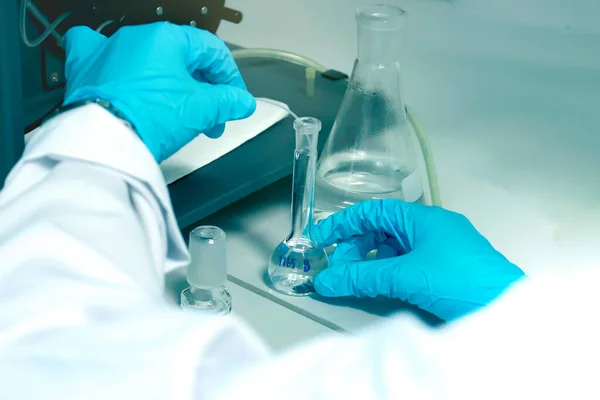
Laboratory analysis is the only way to distinguish between general water quality and a lead-specific hazard. A certified lab will provide you with a quantitative report, showing you the exact levels of lead (measured in parts per billion) in your tap water. This data is the foundation of preventive health.
If you are just starting to explore this, our frequently asked questions page can help clarify the difference between a “first-draw” sample and other testing methods, ensuring you get accurate information about your home’s plumbing.
Moving Toward a Holistic Approach to Water
Water quality is a comprehensive issue, and it is perfectly valid to be concerned about both aesthetic quality and safety. However, remember to prioritize your approach:
- Address the Health Hazards First: Test for heavy metals like lead. This is a safety-first priority, especially in pre-1986 construction.
- Select the Right Mitigation: Once you have your data, choose the appropriate technology. If you have lead, use an NSF 53-certified filter. If you have chlorine taste, a standard carbon filter may be perfectly adequate.
- Maintain Your Systems: Whether it is replacing your filter cartridges on time or flushing your pipes in the morning, consistent maintenance is required for both safety and quality.
Take Control of Your Tap
You do not need to be a water quality engineer to manage your home’s safety. You just need to acknowledge that lead is in a different league than other common water issues. By treating it with the specific attention it requires—testing, verifying, and using certified filtration—you can eliminate this silent threat from your household.
If you are ready to gain clarity on your home’s water safety, contact us today. Our team is dedicated to providing the information and professional testing support that homeowners need to move forward with confidence. For more insights on infrastructure maintenance and how to keep your tap water safe, feel free to browse our blog.
Knowledge is the most effective filter you have. By distinguishing between aesthetic water issues and the real, measurable risks of lead, you are ensuring the long-term health and safety of your sanctuary.
For more information on the distinctions between different types of water contaminants and official safety guidelines, the Environmental Protection Agency (EPA) provides a wealth of information on understanding your household water quality.
Do you have specific questions about the age of your property’s plumbing and how that relates to potential contaminants?